
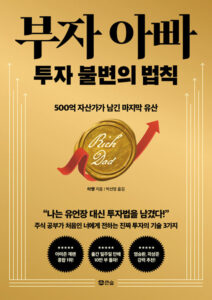
부자 아빠 투자 불변의 법칙: 경제적 자유를 위한 5가지 실전 마인드셋
경제적 자유를 꿈꾸는 사람들에게 로버트 기요사키의 ‘부자 아빠’ 시리즈는 필독서와 같습니다. 그중에서도 『부자 아빠 투자 불변의 법칙』은 단순한 테크닉을 넘어, 투자를 대하는 ‘사고방식’과 ‘자격’에 대해 심도 있게 다룹니다.
저 역시 5년차 개인 투자자로서 배당주와 ETF를 통해 매달 고정적인 현금흐름을 만들어 가는 과정에서 겪은 시행 착오를 떠올리며 이 책을 다시 펼쳤습니다. 오늘은 ‘부자 아빠 투자 불변의 법칙’의 핵심 내용과 더불어, 실제 투자자로서 느낀 점들을 정리해 보려고 합니다.
1. 투자는 ‘무엇’이 아니라 ‘누구’의 문제인가?
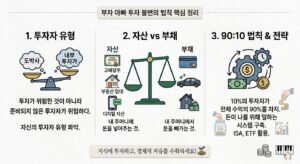
많은 사람이 “지금 어떤 종목을 사야 하나요?”라고 묻습니다. 하지만 부자 아빠 투자 불변의 법칙에서 기요사키는 투자가 위험한 것이 아니라, ‘준비되지 않은 투자자’가 위험한 것이라고 단언합니다.
부자 아빠 투자 불변의 법칙에서 가장 강조하는 점은 투자의 대상을 찾기 전에 본인의 ‘투자자 유형’을 먼저 파악하라는 것입니다. 주위의 추천만 듣고 섣불리 뛰어드는 ‘도박사’가 될 것인지, 철저한 분석과 계획을 가진 ‘내부 투자가’가 될 것인지는 오로지 본인의 선택에 달려 있습니다. 저 또한 초기에는 급등주에 마음을 빼앗기기도 했지만, 이 책을 통해 저만의 확고한 기준을 세우는 것이 얼마나 중요한지 깨달았습니다.
2. 부자 아빠가 강조하는 투자의 90:10 법칙
부자 아빠 투자 불변의 법칙은 부의 세계에 ’90:10 법칙’이 존재한다고 말합니다. 전체 투자자의 10%가 전체 수익의 90%를 가져간다는 법칙입니다. 이 10%의 투자자들은 남들과 다른 시각을 가지고 있습니다.
그들은 단순히 돈을 벌기 위해 투자하는 것이 아니라, ‘자산의 시스템’을 구축하기 위해 투자합니다. 제가 고배당주와 지수 추종 ETF에 집중하는 이유도 바로 여기에 있습니다. 당장의 시세 차익보다 매달, 혹은 분기마다 들어오는 현금흐름(Cash Flow)을 만들어 ‘나를 위해 일하는 돈의 군대’를 조직하는 것이 부자로 가는 가장 빠른 길임을 알게 되었기 때문입니다.
3. 투자의 기본: 자산과 부채를 구분하는 눈
’부자 아빠 투자 불변의 법칙’에서 반복되는 가장 중요한 개념은 ‘자산은 내 주머니에 돈을 넣어주는 것’이고, ‘부채는 내 주머니에서 돈을 빼가는 것’이라는 정의입니다.
많은 분이 본인이 사는 집을 자산이라 믿지만, 대출 이자와 세금이 나간다면 그것은 엄밀히 말해 부채입니다. 진정한 자산은 배당금이 나오는 주식, 임대료가 나오는 부동산, 그리고 ‘블로그’나 ‘유튜브’와 같은 수익형 채널입니다. 저 역시 블로그를 단순한 취미가 아니라 ‘디지털 자산’으로 인식하고 운영하면서, 투자 자본을 확보하는 파이프라인으로 활용하려고 노력하고 있습니다.
4. 실전 투자 적용기: ISA와 ETF를 활용한 자산 배분
부자 아빠 투자 불변의 법칙’ 이론을 실제 시장에 적용해 보면 어떨까요? 저는 현재 고배당주와 이차전지 관련주, 그리고 국내외 ETF를 중심으로 포트폴리오를 구성하고 있습니다.
특히 세제 혜택이 있는 ISA(개인종합관리계좌)를 적극적으로 활용하는 것은 기요사키가 강조한 ‘세금 전략’과도 일맥상통합니다. 투자는 수익률도 중요하지만, 나가는 세금을 줄여 복리 효과를 극대화하는 것이 핵심입니다.
배당주 투자: 제가 투자하고 있는 우리금융지주와 같은 배당주는 하락장에서도 든든한 버팀목이 되어줍니다.
성장주 및 ETF: 미래 가치가 높은 이차전지나 나스닥 지수 ETF는 장기적인 자산 증식을 돕습니다. 저 또한 이를 위해 상당 금액 소유하고 있습니다.
이런 분산 투자는 책에서 말하는 ‘투자자의 통제권’을 갖는 연습이 됩니다. 시장의 흔들림에 일희일비하지 않고, 저만의 투자 원칙을 지킬 수 있게 해주기 때문입니다.
5. 미니멀리즘과 투자의 상관관계
흥미롭게도 투자의 성공은 ‘미니멀리즘’과도 깊은 연관이 있습니다. 제가 평소 실천하는 미니멀 라이프는 불필요한 지출을 줄여 투자금을 확보하게 해줄 뿐만 아니라, 투자 결정에 있어서도 ‘단순함’을 유지하게 도와줍니다.
너무 많은 정보와 복잡한 차트에 매몰되기보다, 본질적인 기업의 가치와 시장의 흐름에 집중하는 것. 그것이 바로 ‘부자 아빠 투자 불변의 법칙’ 중 하나인 ‘단순하게 유지하라(Keep It Simple)’의 핵심입니다. 옷장을 비우듯 포트폴리오에서도 불필요한 종목을 솎아내고, 핵심 자산에 집중하는 자세가 필요합니다.
결론: 투자는 평생 공부하는 과정입니다
『부자 아빠 투자 불변의 법칙』은 한 번 읽고 덮는 책이 아닙니다. 자산이 늘어날 때마다, 혹은 투자의 방향을 잃었을 때마다 다시 꺼내어 나의 ‘마인드셋’을 점검해야 하는 지침서입니다.
경제적 자유는 하루아침에 이루어지지 않습니다. 꾸준한 공부와 실천, 그리고 실패를 두려워하지 않는 행동력이 필요합니다. 5초의 법칙을 적용해 망설임 없이 계좌를 개설하고, 매달 적은 금액이라도 자산을 사 모으는 습관을 들여보세요.
여러분의 블로그 운영도, 주식 투자도 결국은 ‘나만의 제국’을 건설하는 과정입니다. 지금 이 순간, 여러분은 자산을 사고 계신가요, 아니면 부채를 사고 계신가요? 이 질문에 대한 정직한 답이 여러분의 미래를 바꿀 것입니다.
English Summary: Mastering the Rules of Wealth
A Deep Dive into “Rich Dad’s Guide to Investing” and Real-World Application
Robert Kiyosaki’s Rich Dad series has long been considered a mandatory curriculum for those aspiring to achieve financial independence. Among his works, Rich Dad’s Guide to Investing stands out as a profound blueprint that transcends simple trading techniques. It focuses on the “mindset” and “eligibility” required to become a sophisticated investor. Having navigated the stock market through dividend stocks and ETFs for years, re-reading this book provided me with a renewed perspective on wealth management. Here is a comprehensive summary of the core principles and my personal integration of these laws.
1. Investing is About “Who” You Are, Not “What” You Buy
The most common question beginners ask is, “What stock should I buy today?” However, Kiyosaki argues that investing itself is not risky; rather, it is the “untrained investor” who is risky. The book emphasizes identifying your investor type before searching for assets. Whether you become a “gambler” who follows tips blindly or an “insider investor” with a rigorous plan is a personal choice. My own experience with volatile stocks taught me that without a firm internal criterion, one is merely reacting to market noise rather than investing.
2. The 90:10 Rule of Wealth Concentration
Kiyosaki introduces a striking observation: the 90:10 rule, where 10% of investors earn 90% of the money. This elite group views the market through a different lens. They do not invest simply for a quick profit; they invest to build “asset systems.” This philosophy is why I focus on high-dividend stocks and index-tracking ETFs. Instead of chasing capital gains, I aim to organize an “army of money” that works for me through consistent cash flow. This shift from earned income to passive income is the true fast track to wealth.
3. Distinguishing Assets from Liabilities
The most fundamental lesson in the Rich Dad philosophy is the definition of an asset: “An asset puts money in your pocket, while a liability takes money out.” Many people mistakenly view their primary residence as an asset, but if it incurs mortgage interest and taxes without generating income, it is technically a liability. True assets include dividend-paying stocks, rental properties, and digital channels like blogs or YouTube. I view my blog not just as a hobby, but as a “digital asset” that serves as a pipeline for future investment capital.
4. Strategic Asset Allocation: ISA and ETFs
Applying these theories to the current market involves strategic tax planning and diversification. Utilizing accounts like the ISA (Individual Savings Account) aligns with Kiyosaki’s emphasis on tax strategies. By minimizing tax leakage, one can maximize the power of compounding. My portfolio, consisting of stable dividend stocks like Woori Financial Group and growth-oriented assets like secondary battery stocks and Nasdaq ETFs, provides a “margin of safety.” This balanced approach allows me to maintain control over my emotions during market fluctuations.
5. The Synergy Between Minimalism and Investing
Success in investing is deeply intertwined with the philosophy of “Minimalism.” Practicing a minimal life reduces unnecessary expenses, thereby increasing the capital available for investment. More importantly, it helps maintain “simplicity” in decision-making. Instead of being overwhelmed by complex charts and excessive information, I focus on the core value of a company. Much like decluttering a closet, we must prune unnecessary stocks from our portfolios and focus on high-quality, essential assets.
6. Investing as a Lifelong Process of Education
Rich Dad’s Guide to Investing is not a book you read once and discard. It is a manual for recalibrating your mindset whenever you lose direction. Financial freedom is not achieved overnight; it requires persistent study, action, and the courage to face failure. Applying the “5-Second Rule” to open an account and starting to accumulate assets—no matter how small the amount—is the first step toward building your own empire.
Final Thought: Are You Buying Assets or Liabilities?
True wealth is the ability to control your time. As I continue to document my journey of reading English original texts and analyzing market trends, I am building “intellectual capital.” Every choice we make today dictates our financial future. Invest in your knowledge, manage your behavior, and let the power of compounding turn your efforts into lasting freedom.
함께 읽으면 좋은 글