
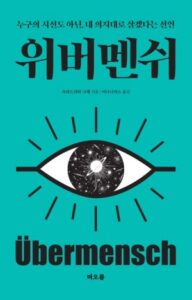
위버맨쉬로 살기 위한 3가지 일상 실천법: 나만의 삶을 예술로 만드는 니체의 조언
현대 사회를 살아가는 우리는 물질적 풍요 속에서도 문득문득 찾아오는 근원적인 허무함과 마주하곤 합니다. 정해진 정답이 없는 세상에서 타인의 시선과 사회적 성공 기준에 맞추어 살아가다 보면, ‘진정한 나’는 어디에 있는지 길을 잃기 쉽습니다. 바로 이때, 19세기 철학자 프리드리히 니체는 우리에게 위버맨쉬라는 강렬한 화두를 던집니다.
흔히 ‘초인’으로 번역되는 위버맨쉬는 단순히 초능력을 가진 영웅을 뜻하는 말이 아닙니다. 이는 기존의 모든 가치가 붕괴된 허무주의(Nihilism)의 바다에서 스스로 구명정이 되어 자기만의 항로를 개척하는 인간상을 의미합니다. 오늘은 니체 철학의 정수인 이 개념을 통해 우리가 어떻게 하면 나약한 인간의 굴레를 벗어나 진정한 삶의 주인으로 거듭날 수 있을지 심층적으로 탐구해 보겠습니다.
1. 위버맨쉬의 본질: 인간은 극복되어야 할 그 무엇이다
니체는 그의 저서 『짜라투스트라는 이렇게 말했다』에서 “인간은 짐승과 위버맨쉬 사이를 잇는 밧줄이다”라고 선언했습니다. 이 비유는 인간이 고정된 존재가 아니라 끊임없이 변화하고 성장해야 하는 ‘과정’에 있음을 시사합니다. 여기서 핵심은 ‘극복’입니다.
우리가 넘어서야 할 대상은 멀리 있지 않습니다. 바로 어제의 나, 그리고 나도 모르게 내면화한 사회적 관습과 고정관념입니다. 과거에는 종교적 절대 진리나 전통적 도덕이 삶의 지표를 제공했지만, 니체는 이러한 외부의 목소리에 의존하는 삶을 ‘노예의 도덕’이라 비판했습니다. 스스로 가치를 판단하고 창조할 수 있는 힘을 가진 존재, 그것이 바로 니체가 그토록 갈망했던 위버맨쉬의 시작점입니다.
2. 정신의 세 가지 변화: 성숙을 향한 영혼의 여정
니체는 인간의 정신이 위버맨쉬에 이르기까지 세 단계의 상징적인 변화를 거친다고 설명합니다. 이 과정을 이해하는 것은 우리 삶의 현재 위치를 점검하는 데 큰 도움이 됩니다.
첫 번째 단계: 낙타 (인내와 복종)
낙타는 사막에서 무거운 짐을 지고 묵묵히 걷는 존재입니다. 우리 삶에 대입하면 부모님의 기대, 사회적 의무, 관습적인 도덕률을 군말 없이 따르는 시기입니다. 이 단계에서는 “너는 해야 한다”는 명령이 삶을 지배합니다. 하지만 낙타는 고독한 사막의 한가운데서 질문하기 시작합니다. “이 짐은 정말 나의 것인가?”
두 번째 단계: 사자 (저항과 자유)
정신이 사자로 변하면 드디어 거대한 용(기존의 가치와 규범)에 맞서기 시작합니다. 사자는 “나는 하고자 한다”라고 외치며 “아니오”라고 말할 수 있는 자유를 쟁취합니다. 파괴적인 힘을 통해 구속에서 벗어나는 단계이지만, 사자는 새로운 가치를 직접 창조해내지는 못합니다. 오로지 창조를 위한 ‘공간’을 확보할 뿐입니다.
세 번째 단계: 아이 (긍정과 창조)
마지막 단계는 아이입니다. 아이는 망각이자 새로운 시작이며, 하나의 유희입니다. 어떤 편견도 없이 세상을 바라보며 자기만의 규칙으로 게임을 즐깁니다. 과거의 상처나 미래의 불안에 얽매이지 않고 현재를 온전히 긍정하는 이 단계야말로 위버맨쉬가 완성되는 지점입니다. 스스로 삶의 바퀴를 돌리는 자, 그것이 아이의 정신입니다.
3. 일상에서 실천하는 위버맨쉬 철학의 3대 기둥
철학은 관념 속에 머물 때가 아니라 삶으로 번역될 때 비로소 힘을 얻습니다. 우리가 일상에서 위버맨쉬적 삶을 살기 위해 실천해야 할 세 가지 핵심 태도를 정리해 보았습니다.
첫째, 자기 극복(Self-Overcoming)의 습관
위대한 성취는 거창한 결심이 아니라 매일의 작은 극복에서 나옵니다. 타성 젖은 습관을 끊어내고, 내가 정한 원칙을 지켜나가는 과정 자체가 위대한 도약입니다. 니체는 끊임없이 자기 자신을 몰아세우고 단련하는 과정을 통해 인간이 비로소 고귀해진다고 믿었습니다.
둘째, 아모르 파티(Amor Fati): 운명을 사랑하라
위버맨쉬는 나에게 주어진 고통과 역경조차 삶의 필수적인 부분으로 받아들입니다. 단순히 참는 것이 아니라 적극적으로 사랑하는 것입니다. “이것이 삶이었던가? 그렇다면 다시 한번!”이라고 외칠 수 있는 용기, 즉 영원히 반복될지라도 기꺼이 다시 살고 싶은 삶을 만드는 태도가 핵심입니다.
셋째, 가치의 재구성(Revaluation of Values)
세상이 말하는 ‘좋은 것’의 기준을 의심해 보아야 합니다. 남들이 부러워하는 직장, 명예, 부가 진정으로 나를 숨 쉬게 하는지 질문하십시오. 나만의 기준(Master Morality)을 세우고, 그 기준에 따라 나의 행동을 결정할 때 우리는 비로소 외부 환경에 흔들리지 않는 단단한 자존감을 가질 수 있습니다.
4. 결론: 당신은 당신 삶의 예술가입니다
결국 위버맨쉬는 완성된 결과물이 아니라 죽는 순간까지 이어지는 역동적인 과정입니다. 삶이 허무하고 의미 없게 느껴진다면, 그것은 당신이 새로운 의미를 써 내려갈 빈 도화지를 가졌다는 뜻이기도 합니다.
타인이 설계한 무대에서 조연으로 살기를 거부하십시오. 니체가 우리에게 속삭이는 메시지는 명확합니다. “너 자신이 되어라.” 이제 무거운 낙타의 짐을 내려놓고, 사자의 용기를 지나 아이의 순수한 창조성으로 당신만의 인생이라는 정원을 아름답게 가꾸어 나가시길 바랍니다. 당신 안에 잠든 위버맨쉬를 깨우는 일, 그것이 바로 당신이 이 세상에 온 진정한 이유입니다.
English Summary: The Philosophical Journey Toward the Übermensch
The concept of the Übermensch, introduced by Friedrich Nietzsche in his seminal work Thus Spoke Zarathustra, remains one of the most provocative and misunderstood ideas in Western philosophy. Often mistranslated as “Superman,” the term does not refer to a biologically superior being or a fictional hero with physical powers. Instead, it defines a psychological and spiritual ideal: an individual who has successfully navigated the crisis of nihilism and emerged as the sole creator of their own existence.
1. The Crisis of Nihilism and the Birth of the Overman
Nietzsche famously proclaimed that “God is dead,” signaling the collapse of absolute moral authorities and traditional religious structures that had provided meaning to human life for centuries. This “death” led to nihilism—the feeling that life is inherently meaningless. The Übermensch is Nietzsche’s answer to this void. Rather than despairing over the lack of objective truth, the Overman finds liberation in it. By accepting that there is no preordained purpose, the individual gains the ultimate freedom to invent their own values and live life as a work of art.
2. Radical Self-Responsibility and the Master Morality
A defining characteristic of the Übermensch is the rejection of what Nietzsche called “slave morality”—a system of values rooted in resentment, conformity, and the praise of weakness. In contrast, the Overman embraces “master morality,” which is characterized by noble virtues such as strength, courage, self-reliance, and aesthetic sensitivity. This is not a call to oppress others, but a demand for radical self-responsibility. To live as an Overman is to refuse to blame circumstances or society for one’s failures, choosing instead to take full ownership of one’s destiny.
3. The Doctrine of Eternal Recurrence
One of the most rigorous tests for the Übermensch is the thought experiment of the Eternal Recurrence. Nietzsche asks: If a demon told you that you had to live this exact same life, with every pain and joy, over and over again for all eternity, would you curse him or fall to your knees in gratitude? The Overman is one who can answer “Yes” to this question. This profound affirmation of life—Amor Fati—requires a level of psychological strength that transforms even the most mundane or tragic moments into something sacred through the power of the will.
4. Overcoming the “Human, All Too Human”
Nietzsche viewed humanity as a bridge, not a destination. To move toward the Übermensch, one must engage in a constant process of self-overcoming. This involves a cold, honest assessment of one’s own limitations, biases, and dependencies. It is an arduous path of shedding the layers of social conditioning to reach the core of one’s “will to power”—the fundamental drive to grow, expand, and exert influence over oneself. The journey is lonely and challenging, yet it is the only path that leads to authentic sovereignty.
5. Conclusion: The Call to Creative Sovereignty
In the modern era, where digital noise and collective trends often dictate our identity, the philosophy of the Übermensch is more relevant than ever. It calls us to step away from the “herd” and find the courage to be solitary creators. We are challenged to transform our suffering into wisdom and our chaos into a dancing star. The path of the Overman is an invitation to cease being a mere spectator of life and to become the supreme architect of a reality that is uniquely and powerfully our own.
♧ 함께 읽으면 좋은 글