
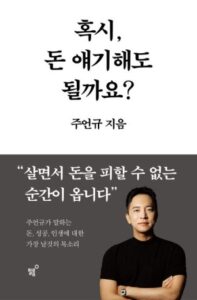
주언규의 7가지 성공 원칙: 『혹시, 돈 얘기해도 될까요?
서론: 우리가 돈 이야기를 시작해야 하는 진짜 이유
우리는 자본주의라는 거대한 바다 위를 항해하면서도 정작 그 배를 움직이는 동력인 ‘돈’에 대해 말하기를 꺼려오곤 했습니다. 하지만 인생을 살다 보면 돈의 가치를 뼈저리게 실감하는 결정적인 순간들이 반드시 찾아옵니다. 부모님의 노후를 책임져야 할 때, 아이에게 더 넓은 세상을 보여주고 싶을 때, 혹은 예상치 못한 건강의 위기가 닥쳤을 때 우리는 비로소 준비되지 않은 경제적 결핍이 얼마나 가혹한지 깨닫게 됩니다.
오늘 리뷰할 책 주언규 작가의 『혹시, 돈 얘기해도 될까요?』는 과거 ‘신사임당’이라는 이름으로 대한민국에 재테크 열풍을 일으켰던 저자가 쓴 가장 솔직하고 날것의 기록입니다. 이 책은 단순한 재테크 기법을 넘어, 우리가 왜 주언규식 자본주의 생존법을 배워야 하며 어떤 마음가짐으로 부의 파도를 타야 하는지를 깊이 있게 다룹니다.
1. 자본주의라는 게임의 룰: 소유자가 승리하는 구조
주언규 작가는 자본주의를 하나의 정교한 ‘게임’에 비유합니다. 모든 게임에는 규칙이 있고, 그 규칙을 모르면 결코 승리할 수 없습니다. 대다수의 사람들은 자신의 시간을 노동력과 맞바꾸는 1차원적인 삶에 머물러 있습니다. 하지만 저자는 노동의 가치만을 맹신하는 것이 얼마나 위험한 구조인지를 날카롭게 지적합니다.
자본주의 시스템의 진짜 승자는 ‘소유자’입니다. 내가 잠든 사이에도 수익을 만들어내는 시스템, 즉 콘텐츠, 부동산, 주식, 법인과 같은 자본을 소유하는 것이야말로 진정한 자유로 가는 유일한 길입니다. 이 책은 막연하게 가졌던 돈에 대한 공포심을 숫자로 치환하여 냉철하게 세상을 바라볼 수 있는 시각을 제공합니다.
2. 압도적 실행력: 운을 실력으로 만드는 확률의 법칙
많은 사람이 성공의 핵심 요인으로 ‘운’을 꼽습니다. 주언규 작가 역시 운의 중요성을 부정하지 않습니다. 그러나 그는 “운을 만날 확률을 높이는 것은 오로지 실행력에 달려 있다”고 강조합니다.
주사위를 한 번 던져 6이 나올 확률은 낮지만, 100번, 1,000번을 던진다면 누구나 6을 얻을 수 있습니다. 완벽을 기하느라 아무것도 하지 못하는 이들에게 저자는 “일단 던져보라”고 조언합니다. 작은 시도와 실패를 반복하며 데이터를 쌓고, 그 과정에서 반응이 오는 지점을 발견해 확장하는 것. 이것이 평범한 사람이 부자가 되는 가장 현실적인 테크트리입니다.
3. 결핍의 힘: 부의 동력을 만드는 결핍 에너지
이 책에서 인상 깊은 대목 중 하나는 ‘결핍’을 대하는 태도입니다. 주언규 작가는 과거 자신이 겪었던 경제적, 정서적 결핍이 오히려 부를 향한 강력한 엔진이 되었음을 고백합니다. 남들과 비교하며 좌절하는 데 에너지를 쓰는 대신, 그 결핍을 채우기 위한 구체적인 행동으로 전환하는 법을 제시합니다.
4. 0원에서 1억을 만드는 마인드셋의 변화
누구에게나 시작은 어렵습니다. 저자는 처음부터 거창한 목표를 세우기보다, 당장 오늘 할 수 있는 0.1의 실행을 권장합니다. 주언규가 말하는 부의 단계는 계단식 성장을 따릅니다. 임계점을 넘기 전까지는 성과가 보이지 않아도 묵묵히 데이터를 쌓아가는 과정이 필요하며, 그 인내의 시간이 결국 폭발적인 성장을 가져온다는 사실을 일깨워줍니다.
5. 관계의 재정립: 돈 때문에 소중한 것을 잃지 않으려면
돈은 단순히 사치를 위한 수단이 아닙니다. 이 책은 돈이 우리가 사랑하는 사람들을 지키고, 내가 하기 싫은 일을 하지 않을 ‘거절의 자유’를 얻기 위한 도구임을 명시합니다. 준비되지 않은 가난은 때로 소중한 관계를 파괴하고 개인의 존엄성을 훼손합니다. 역설적으로 돈에 휘둘리지 않는 고귀한 삶을 살기 위해서라도 우리는 그 누구보다 치열하게 돈 공부를 해야 합니다.
6. 콘텐츠 자본의 시대: 나 자체가 자산이 되는 법
디지털 시대에 주언규 작가가 강조하는 또 하나의 자산은 바로 ‘콘텐츠’입니다. 과거에는 거대한 자본가만이 시스템을 소유할 수 있었지만, 지금은 블로그, 유튜브, SNS를 통해 누구나 자신만의 플랫폼을 구축할 수 있습니다. 지식을 가공하고 정보를 전달하며 타인에게 가치를 주는 행위 자체가 강력한 자본이 되는 시대를 우리는 살고 있습니다.
7. 결론: 당신의 가치는 당신이 소유한 자본이 증명한다
『혹시, 돈 얘기해도 될까요?』는 우리에게 뼈아픈 질문을 던집니다. “지금 당신은 자본주의의 주인입니까, 아니면 부품입니까?” 주언규 작가의 목소리는 냉혹하지만 따뜻합니다. 막연한 희망 고문이 아니라 지금 당장 실행할 수 있는 작은 행동부터 시작하라는 그의 독설 섞인 격려는 독자들에게 강력한 동기부여를 제공합니다. 이제 부끄러움을 버리고 당당하게 돈 이야기를 시작해야 할 때입니다.
English Summary: Survival and Mastery in the Capitalist Era
”Can We Talk About Money?” by Un-gyu Joo is not just another self-help book about becoming wealthy; it is a strategic manual for anyone navigating the complex waters of modern capitalism. As a creator who fundamentally shifted the landscape of financial content in South Korea, Un-gyu Joo delivers a raw, unfiltered perspective on what it takes to transition from a laborer to an owner.
1. Transitioning from Labor to Ownership
The most profound lesson from Un-gyu Joo is the distinction between labor income and capital income. Most people are conditioned to believe that working harder is the only way to earn more. However, in the realm of capitalism, time is a finite resource, whereas capital is scalable. Un-gyu Joo emphasizes that true financial independence is achieved only when you own “systems”—whether they be digital content, real estate, or stocks—that generate value independently of your direct physical input.
2. The Science of Execution and Probability
One of the most refreshing takes in this book is the demystification of “luck.” Many successful individuals attribute their achievements to being at the right place at the right time. Un-gyu Joo challenges this by introducing the concept of “frequency of execution.” He argues that while we cannot control luck itself, we can control the number of times we “roll the dice.” By increasing the frequency of small-scale experiments, we statistically guarantee an encounter with a winning opportunity. This mindset shifts the focus from “waiting for success” to “engineered discovery.”
3. Financial Literacy as a Shield, Not a Sword
Beyond the accumulation of wealth, Un-gyu Joo discusses the ethical and emotional dimensions of money. He posits that financial literacy is a fundamental survival skill necessary to protect one’s dignity and family. Money provides the “power to say No”—the ability to reject environments or tasks that compromise your values. In this sense, talking about money is not an act of greed, but an act of self-care and responsibility. It is about building a fortress around the things that truly matter: your time, your relationships, and your peace of mind.
4. The Power of Personal Branding and Digital Assets
In the modern economy, your reputation and the content you produce function as intangible assets. Un-gyu Joo illustrates how a personal brand can become a multiplier for financial growth. By sharing knowledge and building a community, an individual can create a feedback loop that identifies market needs and generates revenue. This book encourages readers to look beyond traditional employment and see themselves as a “company of one,” capable of producing diverse streams of income.
5. Facing the Discomfort of the Truth
Ultimately, Un-gyu Joo‘s message is a wake-up call. It forces the reader to confront the uncomfortable reality of their financial situation without the sugar-coating of “passive optimism.” The book serves as a catalyst for action, urging readers to stop being spectators in the game of wealth and start becoming active players. Whether you are a seasoned investor or a beginner, the principles of ownership, execution, and resilience outlined in this work provide a clear roadmap for achieving long-term prosperity in the age of capitalism.
♧함께 읽으면 좋은 글